


How Early Orthopaedic Treatment Can Prevent Chronic Joint Problems
Joint pain often starts as a minor discomfort. Many people ignore occasional stiffness, mild swelling, or slight pain because they believe it will disappear on its own. However, what seems like a small issue today can gradually develop into a chronic joint problem that affects mobility, independence, and overall quality of life.
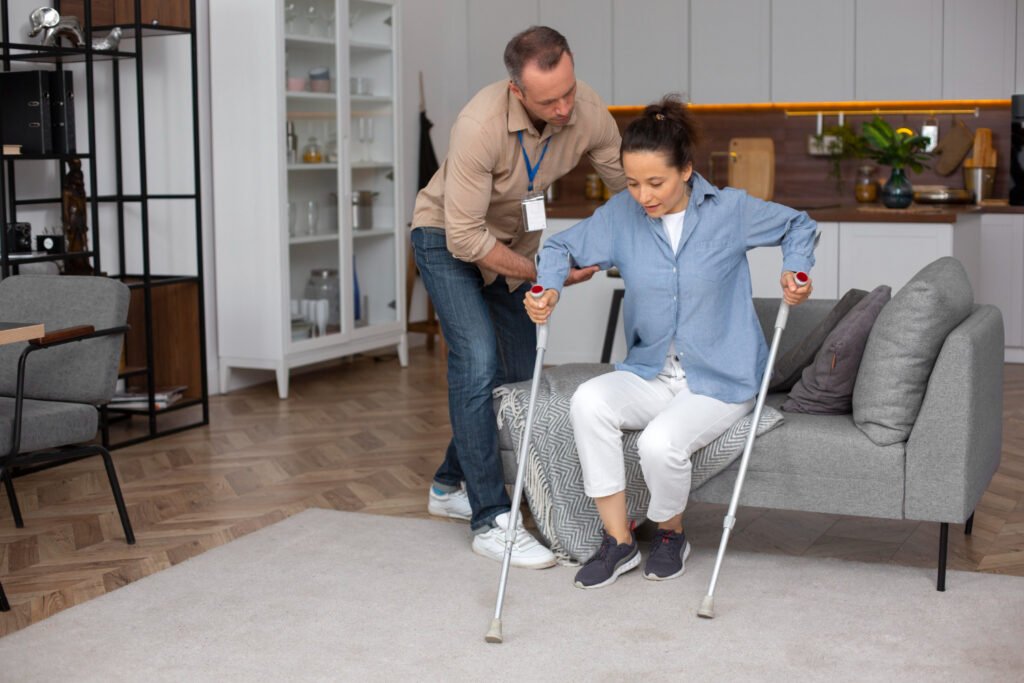
Fortunately, early orthopaedic treatment can help identify the root cause of joint pain before it becomes a serious condition. By seeking timely medical attention, patients can protect their joints, prevent long-term damage, and maintain an active lifestyle for years to come.
Understanding Chronic Joint Problems
Chronic joint problems develop when joint pain, inflammation, or structural damage continues for an extended period. Over time, untreated conditions can wear down cartilage, weaken surrounding muscles, and limit joint movement.
Common chronic joint conditions include:
- Osteoarthritis
- Rheumatoid arthritis
- Chronic knee pain
- Hip joint degeneration
- Shoulder disorders
- Ligament injuries
- Tendon disorders
Although some joint conditions develop naturally with age, early diagnosis and treatment often slow their progression significantly.
Why People Delay Orthopaedic Treatment
Many individuals postpone treatment because they assume joint pain is a normal part of aging or daily activity. Others rely on painkillers and temporary remedies instead of addressing the underlying issue.
Common reasons for delaying treatment include:
- Assuming the pain will improve naturally
- Busy schedules
- Fear of surgery
- Lack of awareness about treatment options
- Ignoring mild symptoms
Unfortunately, delaying care often allows the condition to worsen, making treatment more complicated later.
Benefits of Early Orthopaedic Diagnosis
One of the biggest advantages of early treatment is accurate diagnosis. Identifying the cause of joint pain at an early stage allows doctors to create effective treatment plans before significant damage occurs.
Early diagnosis helps:
- Detect joint problems quickly
- Prevent cartilage damage
- Reduce inflammation
- Improve treatment outcomes
- Avoid unnecessary complications
Moreover, early intervention often reduces the need for invasive procedures in the future.
Preventing Arthritis Progression
Arthritis is one of the leading causes of chronic joint pain. While arthritis cannot always be completely prevented, early treatment can slow its progression and help maintain joint function.
Early Arthritis Management May Include:
- Physiotherapy
- Weight management
- Anti-inflammatory medications
- Exercise programs
- Lifestyle modifications
As a result, patients often experience less pain and better mobility over time.
Protecting Joint Cartilage
Cartilage acts as a cushion between bones and allows smooth movement. However, injuries, inflammation, and wear and tear can gradually damage this protective tissue.
When treatment begins early:
- Cartilage deterioration slows down
- Joint alignment improves
- Stress on the joints decreases
- Long-term damage becomes less likely
Consequently, patients maintain healthier joints for longer periods.
Faster Recovery From Injuries
Sports injuries, falls, and accidents frequently affect joints. If these injuries do not heal properly, they can lead to chronic instability and recurring pain.
Early orthopaedic treatment helps:
- Stabilize injured joints
- Promote proper healing
- Reduce inflammation
- Prevent future complications
Therefore, patients recover more effectively and return to their daily activities sooner.
Reducing the Risk of Surgery
Many people worry that visiting an orthopaedic doctor automatically leads to surgery. In reality, early treatment often helps patients avoid surgery altogether.
When doctors identify problems early, they can recommend:
- Physiotherapy
- Rehabilitation exercises
- Pain management techniques
- PRP therapy
- Lifestyle modifications
These treatments frequently control symptoms and improve joint function without surgical intervention.
Importance of Physiotherapy in Early Treatment
Physiotherapy plays a crucial role in preventing chronic joint problems. It strengthens muscles, improves flexibility, and supports proper joint function.
Benefits of Physiotherapy Include:
- Better joint stability
- Improved posture
- Increased flexibility
- Reduced stiffness
- Enhanced mobility
Furthermore, physiotherapy helps patients develop healthy movement patterns that protect joints from future damage.
Managing Inflammation Before It Causes Damage
Inflammation is often the body’s response to injury or irritation. However, persistent inflammation can damage joint tissues over time.
Early orthopaedic treatment focuses on:
- Controlling inflammation
- Relieving pain
- Protecting joint structures
- Improving movement
By addressing inflammation quickly, patients reduce their risk of chronic joint degeneration.
Advanced Non-Surgical Treatment Options
Modern orthopaedic care offers several advanced treatments that help preserve joint health and improve recovery.
Common Non-Surgical Treatments:
- PRP (Platelet-Rich Plasma) therapy
- Joint injections
- Physiotherapy
- Rehabilitation programs
- Pain management procedures
These treatments support healing while minimizing disruption to daily life.
Lifestyle Changes That Support Joint Health
Medical treatment works best when combined with healthy lifestyle habits. In fact, simple changes can significantly improve joint health and prevent future problems.
Healthy Habits Include:
- Maintaining a healthy weight
- Staying physically active
- Following a balanced diet
- Practicing good posture
- Avoiding repetitive joint strain
- Stretching regularly
Together, these habits reduce stress on joints and support long-term mobility.
Warning Signs You Should Never Ignore
Certain symptoms indicate that it is time to consult an orthopaedic specialist.
Seek Medical Attention If You Experience:
- Persistent joint pain
- Swelling around joints
- Morning stiffness
- Reduced range of motion
- Joint instability
- Pain during daily activities
- Recurrent sports injuries
Early medical evaluation often prevents minor problems from becoming chronic conditions.
Long-Term Benefits of Early Orthopaedic Care
Choosing early treatment offers numerous long-term advantages.
Key Benefits Include:
- Better joint function
- Reduced chronic pain
- Improved mobility
- Lower risk of surgery
- Faster recovery from injuries
- Enhanced quality of life
Most importantly, patients maintain their independence and ability to enjoy everyday activities.
Building a Healthier Future Through Prevention
Preventive orthopaedic care focuses on protecting joints before serious damage occurs. Regular check-ups, early diagnosis, and proactive treatment create a strong foundation for lifelong musculoskeletal health.
Rather than waiting for pain to become severe, taking action early allows patients to stay active, confident, and healthy for years to come.
Conclusion
Early orthopaedic treatment plays a vital role in preventing chronic joint problems and preserving long-term mobility. By addressing symptoms promptly, patients can reduce pain, protect joint health, and avoid future complications.
Whether the issue involves arthritis, sports injuries, joint stiffness, or recurring pain, timely orthopaedic care provides the best opportunity for successful treatment and lasting relief. Investing in early treatment today can help ensure stronger joints, better movement, and a healthier future tomorrow.