


Orthopaedic Doctor in Bangalore for Bone Health Maintenance
Strong bones form the foundation of an active and healthy life. They support movement, protect vital organs, and provide structure to the body. However, many people focus on treating bone problems only after they experience pain, fractures, or mobility issues. In reality, maintaining good bone health is just as important as treating existing conditions.
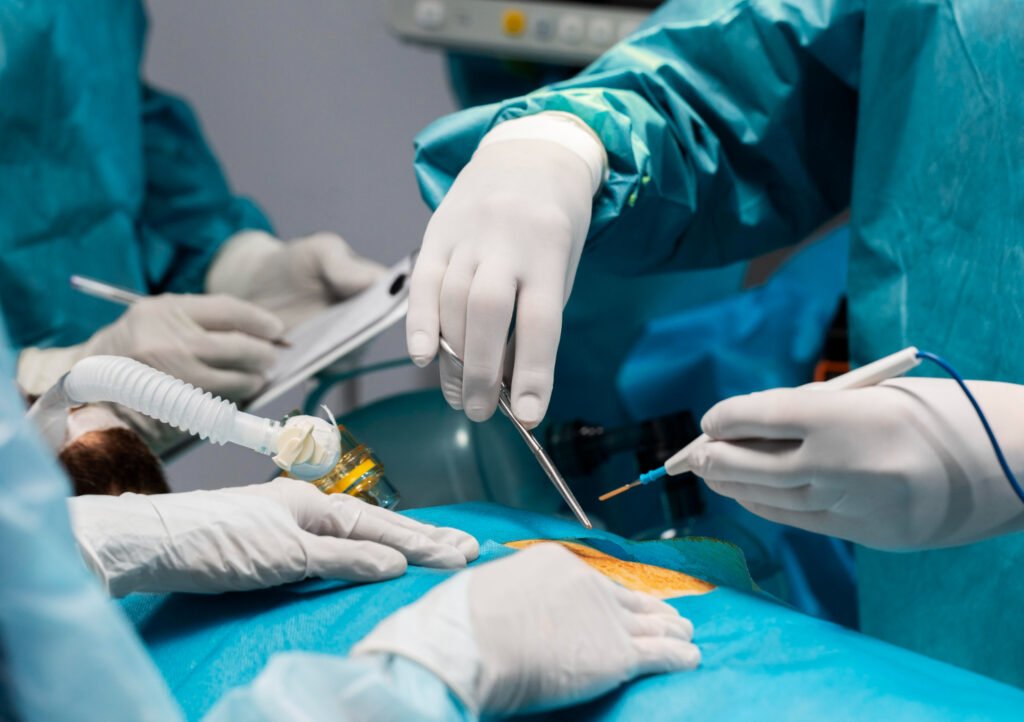
As people age, bone density naturally decreases, making bones more vulnerable to weakness and fractures. Additionally, poor nutrition, lack of physical activity, hormonal changes, and certain medical conditions can accelerate bone loss. Therefore, consulting an experienced orthopaedic doctor in Bangalore for bone health maintenance can help prevent future complications and support lifelong mobility.
Why Bone Health Matters
Healthy bones allow us to perform daily activities with ease. Whether walking, exercising, lifting objects, or simply maintaining balance, strong bones play a crucial role in overall well-being.
When bone health declines, several problems can develop, including:
- Osteoporosis
- Frequent fractures
- Joint instability
- Chronic pain
- Reduced mobility
- Postural issues
Therefore, taking proactive steps to maintain bone strength can significantly improve quality of life.
Understanding Bone Loss and Bone Weakness
Bone is a living tissue that constantly rebuilds itself. During youth, the body creates bone faster than it loses it. However, this balance changes with age.
Several factors contribute to bone loss, including:
- Aging
- Calcium deficiency
- Vitamin D deficiency
- Hormonal changes
- Sedentary lifestyle
- Smoking and alcohol consumption
- Certain medications
As a result, bones may become thinner, weaker, and more prone to fractures.
Common Bone Health Conditions
An orthopaedic doctor helps diagnose and manage various bone-related conditions before they become serious.
Osteoporosis
Osteoporosis causes bones to become fragile and brittle. Consequently, even minor falls can lead to fractures.
Osteopenia
This condition involves lower-than-normal bone density and often develops before osteoporosis.
Stress Fractures
Repetitive physical activity can cause tiny cracks in bones, especially among athletes and active individuals.
Age-Related Bone Loss
As bone density naturally declines with age, seniors face a higher risk of fractures and mobility problems.
Early detection allows doctors to implement preventive strategies before complications arise.
Importance of Regular Bone Health Assessments
Many bone-related conditions develop silently without noticeable symptoms. Therefore, regular screenings play a crucial role in maintaining bone health.
Benefits of Routine Assessments:
- Early detection of bone loss
- Fracture risk evaluation
- Personalized prevention plans
- Better long-term bone health management
An orthopaedic doctor can recommend appropriate tests based on age, medical history, and risk factors.
Bone Density Testing and Screening
Bone density testing helps measure bone strength and assess osteoporosis risk.
Common Screening Methods:
- DEXA (Bone Density) Scan
- Digital X-rays
- Physical assessments
- Fracture risk evaluation
These diagnostic tools help doctors identify potential issues before symptoms appear.
As a result, patients can begin preventive treatment at an early stage.
Nutrition for Strong Bones
Nutrition plays a major role in bone health maintenance. Without proper nutrients, bones cannot maintain their strength and density.
Essential Nutrients for Bone Health
Calcium
Calcium serves as the primary building block of bones.
Good sources include:
- Milk and dairy products
- Leafy green vegetables
- Almonds
- Fortified foods
Vitamin D
Vitamin D helps the body absorb calcium effectively.
Sources include:
- Sunlight exposure
- Fatty fish
- Egg yolks
- Fortified foods
Protein
Protein supports bone repair and overall musculoskeletal health.
Therefore, maintaining a balanced diet contributes significantly to long-term bone strength.
Exercise and Physical Activity for Bone Strength
Regular exercise helps stimulate bone formation and maintain bone density.
Recommended Activities:
- Walking
- Strength training
- Yoga
- Resistance exercises
- Low-impact aerobics
Additionally, exercise improves balance and coordination, which helps reduce the risk of falls and fractures.
For this reason, orthopaedic specialists often recommend customized fitness programs for bone health maintenance.
Preventing Osteoporosis Through Early Care
Osteoporosis remains one of the most common causes of fractures among older adults. However, early intervention can significantly reduce the risk.
Preventive Measures Include:
- Regular bone density screening
- Calcium and Vitamin D supplementation
- Weight-bearing exercises
- Lifestyle modifications
- Medical management when necessary
By taking preventive action early, individuals can maintain stronger bones as they age.
Lifestyle Habits That Protect Bone Health
Beyond nutrition and exercise, several healthy habits contribute to stronger bones.
Healthy Bone Care Habits:
- Maintain a healthy body weight
- Avoid smoking
- Limit alcohol consumption
- Stay physically active
- Follow medical advice for chronic conditions
- Practice fall prevention measures
Together, these habits support overall musculoskeletal wellness.
Role of Orthopaedic Doctors in Bone Health Maintenance
An experienced orthopaedic doctor does more than treat fractures and injuries. They also help patients prevent bone-related problems through proactive care.
Orthopaedic Care May Include:
- Bone health evaluations
- Osteoporosis screening
- Nutritional guidance
- Fracture prevention strategies
- Exercise recommendations
- Long-term monitoring
As a result, patients receive personalized care tailored to their unique needs and risk factors.
Bone Health Maintenance for Different Age Groups
Young Adults
Building strong bones early creates a solid foundation for lifelong bone health.
Middle-Aged Adults
At this stage, maintaining bone density becomes increasingly important.
Seniors
Older adults require regular monitoring to reduce fracture risk and preserve mobility.
Therefore, bone health maintenance remains important throughout every stage of life.
Warning Signs You Should Not Ignore
Although some bone conditions develop silently, certain symptoms require medical attention.
Consult an Orthopaedic Doctor If You Experience:
- Frequent fractures
- Persistent bone pain
- Loss of height
- Stooped posture
- Joint weakness
- Difficulty walking
- Reduced mobility
Early diagnosis often leads to better outcomes and fewer complications.
Long-Term Benefits of Bone Health Maintenance
Taking care of bone health today offers significant benefits in the future.
Advantages Include:
- Stronger bones
- Lower fracture risk
- Improved balance
- Better mobility
- Enhanced quality of life
- Greater independence as you age
Most importantly, healthy bones support an active and confident lifestyle.
Conclusion
Bone health maintenance is a lifelong commitment that plays a crucial role in overall wellness, mobility, and independence. While many people focus on treating bone problems after they occur, preventive care offers the best opportunity to maintain strong and healthy bones.
By consulting an experienced orthopaedic doctor in Bangalore for bone health maintenance, individuals can access expert guidance, early screening, personalized prevention strategies, and advanced care that support long-term musculoskeletal health. Investing in bone health today can help ensure a stronger, healthier, and more active future.