

Common Ligament Injuries and Their Recovery Process
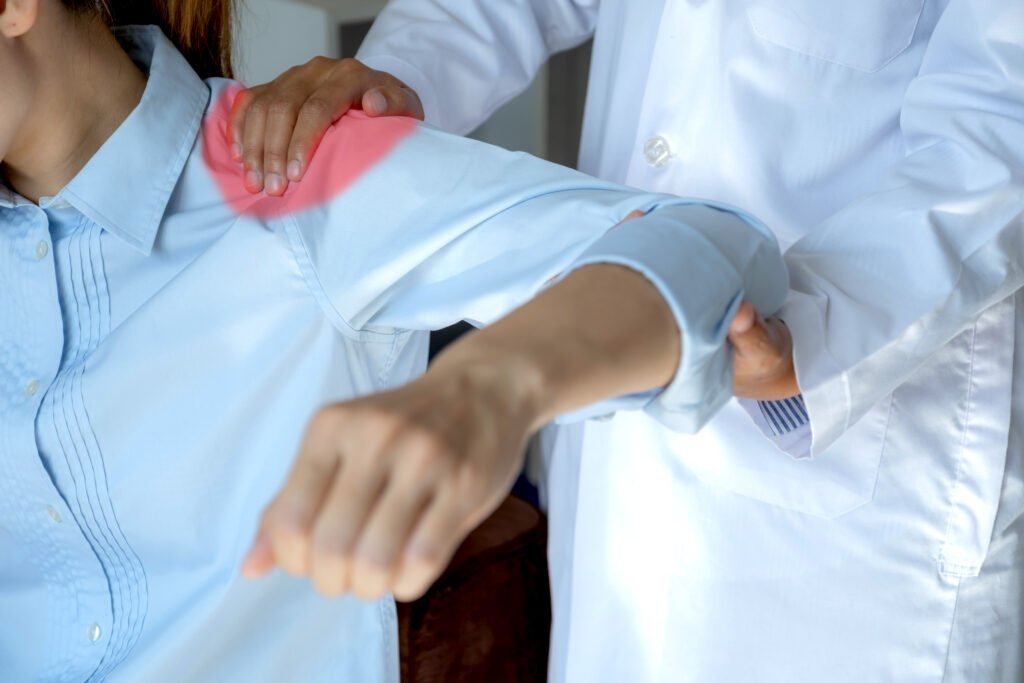
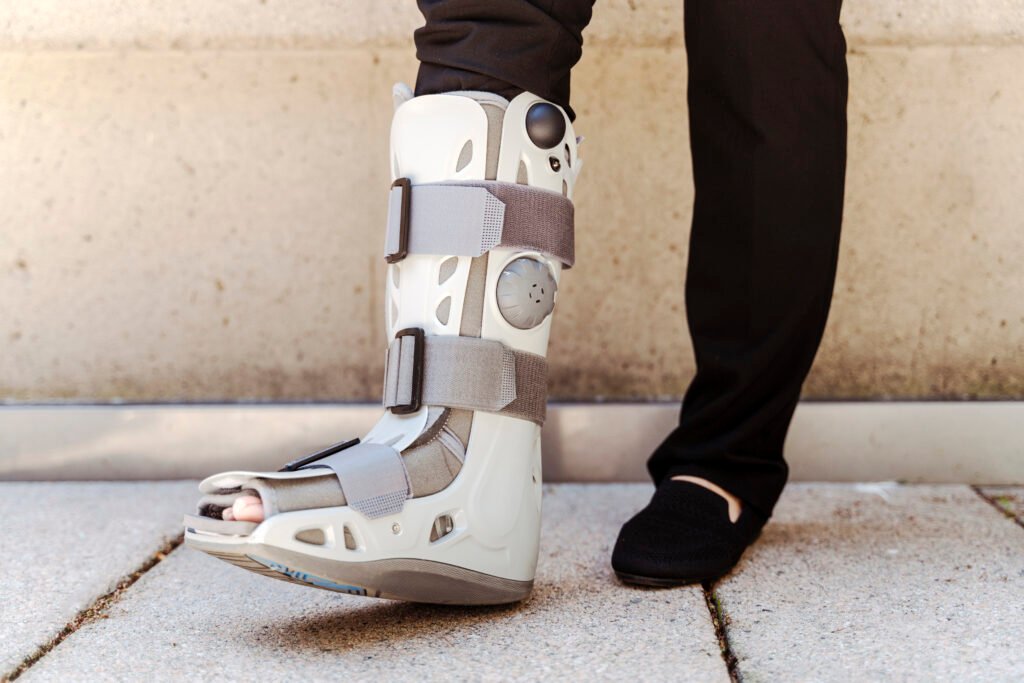
Common Ligament Injuries and Their Recovery Process Ligaments are strong, flexible bands of tissue that connect bones and provide stability to joints. They play a crucial role in maintaining balance and allowing smooth movement. However, due to sudden twists, sports activities, or accidents, ligaments can get stretched or torn, leading to pain and limited mobility. Ligament injuries are common among athletes, active individuals, and even people performing daily activities. Understanding these injuries and their recovery process can help ensure proper healing and prevent long-term complications. What Are Ligament Injuries A ligament injury occurs when a ligament is overstretched or torn. These injuries are commonly referred to as sprains and can range from mild to severe. Ligament injuries are usually classified into three grades: The severity of the injury determines the type of treatment and recovery time. Common Types of Ligament Injuries Ligament injuries can affect different joints in the body, depending on the activity and mechanism of injury. Ankle SprainOne of the most common ligament injuries, ankle sprains occur when the foot twists or rolls unexpectedly. This can happen during sports, walking on uneven surfaces, or sudden movements. ACL Injury (Knee Ligament)The anterior cruciate ligament (ACL) is a key stabilizing ligament in the knee. ACL injuries often occur during sports that involve jumping, sudden stops, or changes in direction. Wrist Ligament InjuryThese injuries are usually caused by falls where a person lands on their hands. They can lead to pain, swelling, and reduced wrist movement. Shoulder Ligament InjuryShoulder injuries may occur due to heavy lifting, sports activities, or trauma. They can affect the stability and range of motion of the shoulder joint. Symptoms of Ligament Injuries Although symptoms may vary depending on the location and severity, common signs include: Recognizing these symptoms early helps in timely treatment. Diagnosis of Ligament Injuries Doctors diagnose ligament injuries through physical examination and imaging tests when necessary. They assess joint stability, movement, and pain levels. In some cases, imaging techniques such as MRI scans are used to evaluate the extent of ligament damage. Accurate diagnosis is essential for planning the right treatment and recovery process. Treatment Options Treatment for ligament injuries depends on the severity of the injury. Rest and Initial Care In the early stage, rest is crucial to prevent further damage. Applying ice, compression, and elevation can help reduce swelling and pain. Physiotherapy Physiotherapy plays a vital role in recovery. It includes exercises that strengthen the muscles around the joint, improve flexibility, and restore normal movement. Medications Pain-relieving and anti-inflammatory medications may be prescribed to manage discomfort. Bracing or Support In some cases, braces or supports are used to stabilize the joint during healing. Surgical Treatment Severe ligament injuries, especially complete tears, may require surgical repair or reconstruction. Modern techniques ensure better outcomes and faster recovery. The Recovery Process Recovery from ligament injuries happens in stages and requires patience and consistency. Initial PhaseThe focus is on reducing pain and swelling. Movement is limited to allow the ligament to heal. Rehabilitation PhaseGradual exercises are introduced to improve flexibility and strength. Physiotherapy helps restore joint function. Strengthening PhaseMore advanced exercises are added to rebuild muscle strength and stability. Return to ActivityOnce the joint regains strength and mobility, patients can slowly return to normal activities or sports under medical guidance. Recovery time varies from a few weeks for mild injuries to several months for severe cases. Preventing Ligament Injuries While not all injuries can be prevented, certain measures can reduce the risk: These steps help protect joints and improve overall stability. When to See a Doctor It is important to seek medical attention if: Early treatment helps prevent complications and ensures proper healing. Conclusion Ligament injuries are common but can be effectively treated with timely care and proper rehabilitation. Understanding the recovery process helps patients stay patient, follow treatment plans, and achieve better outcomes. With the right combination of medical care, physiotherapy, and preventive measures, most individuals can fully recover and return to their normal activities. If you experience joint pain or suspect a ligament injury, consulting an orthopedic specialist is the best step toward safe and complete recovery.