Minimally Invasive Treatments by an Orthopaedic Doctor in Bangalore
Orthopaedic care has advanced tremendously over the years, making treatments safer, faster, and more comfortable for patients. One of the biggest breakthroughs in modern orthopaedics is the development of minimally invasive treatments. These advanced procedures help treat bone, joint, and spine conditions with smaller incisions, reduced pain, and quicker recovery times.
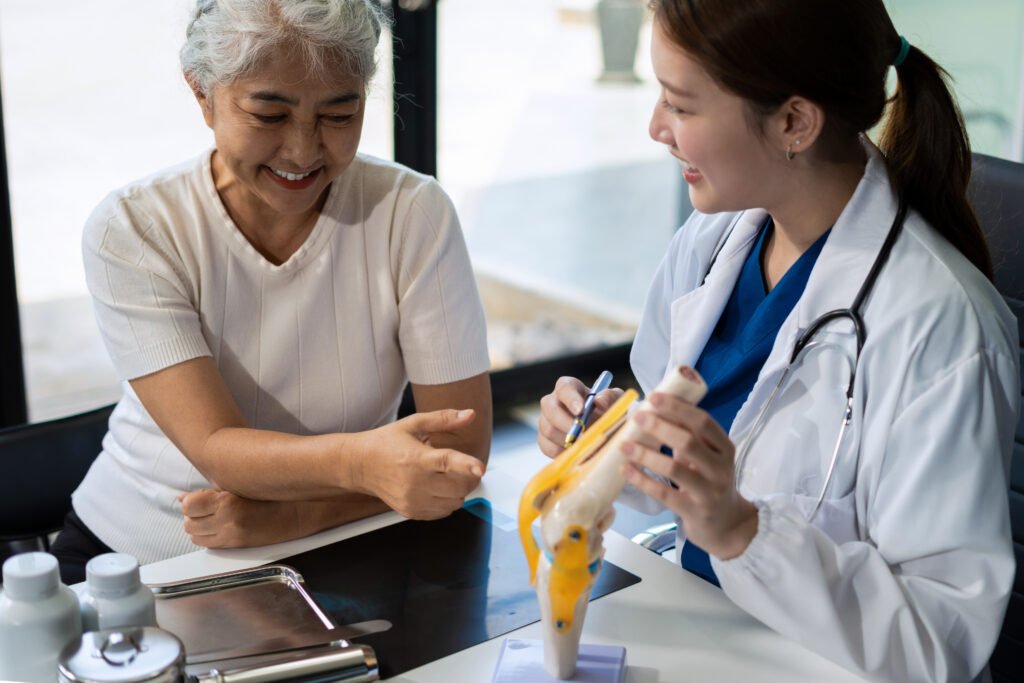
For patients dealing with chronic back pain, sports injuries, joint problems, or spinal disorders, consulting an experienced orthopaedic doctor in Bangalore for minimally invasive treatments can provide effective relief while minimizing disruption to daily life.
What Are Minimally Invasive Orthopaedic Treatments?
Minimally invasive orthopaedic treatments involve using advanced surgical techniques and specialized instruments to treat musculoskeletal conditions through very small incisions.
Unlike traditional open surgery, these procedures are designed to:
- Reduce tissue damage
- Minimize blood loss
- Lower post-operative pain
- Speed up recovery
- Reduce hospital stay
These treatments are widely used in spine surgery, sports injury management, joint care, and pain management procedures.
Why Minimally Invasive Treatments Are Becoming Popular
Many patients today prefer minimally invasive procedures because they allow faster healing and less discomfort.
Key Benefits Include
- Smaller scars
- Reduced pain after surgery
- Lower infection risk
- Faster return to normal activities
- Shorter hospital stay
- Improved surgical precision
These advantages make minimally invasive orthopaedic care a preferred option for many patients.
Minimally Invasive Spine Surgery
One of the most common advanced orthopaedic procedures is minimally invasive spine surgery.
Conditions Treated
- Slip disc
- Sciatica
- Spinal stenosis
- Degenerative disc disease
- Nerve compression
- Chronic lower back pain
Using specialized instruments and imaging guidance, surgeons can access the affected area with minimal disruption to surrounding muscles and tissues.
Benefits of Minimally Invasive Spine Surgery
- Faster mobility after surgery
- Reduced muscle injury
- Less pain medication requirement
- Quicker rehabilitation
- Improved recovery outcomes
This procedure is especially beneficial for patients suffering from persistent spinal pain that does not improve with conservative treatment.
Arthroscopy for Joint Injuries
Arthroscopy, also called keyhole surgery, is another minimally invasive technique commonly used by orthopaedic doctors.
A tiny camera called an arthroscope is inserted into the joint through a small incision, allowing the doctor to diagnose and treat joint problems accurately.
Common Conditions Treated
- ACL tears
- Meniscus injuries
- Rotator cuff tears
- Shoulder instability
- Cartilage damage
Advantages of Arthroscopy
- Minimal scarring
- Reduced joint trauma
- Faster healing
- Early return to sports and activities
Athletes and active individuals often benefit greatly from arthroscopic procedures.
Minimally Invasive Pain Management Procedures
Many orthopaedic conditions can be managed without major surgery through targeted pain management procedures.
Common Injection Treatments
- Epidural injections
- Facet joint injections
- Nerve root blocks
- SI joint injections
These procedures help reduce:
- Inflammation
- Nerve irritation
- Joint pain
- Muscle discomfort
Pain management injections provide relief for patients suffering from chronic spine or joint pain.
PRP Therapy and Regenerative Treatments
Regenerative orthopaedic treatments are becoming increasingly popular for healing damaged tissues naturally.
PRP Therapy
PRP (Platelet-Rich Plasma) therapy uses the patient’s own blood platelets to accelerate tissue healing.
Conditions Treated
- Tendon injuries
- Ligament tears
- Early arthritis
- Sports injuries
- Joint pain
Benefits
- Natural healing process
- Reduced inflammation
- Non-surgical treatment option
- Faster tissue recovery
PRP therapy is often recommended for patients looking to avoid surgery.
Minimally Invasive Fracture Management
Advanced orthopaedic techniques are also used in fracture treatment.
Specialized surgical fixation methods help stabilize broken bones using:
- Small incisions
- Precision instruments
- Internal fixation devices
Benefits
- Better bone alignment
- Reduced soft tissue damage
- Faster rehabilitation
- Lower complication risk
These methods improve healing and restore mobility more effectively.
Faster Rehabilitation and Recovery
One of the major advantages of minimally invasive orthopaedic treatments is quicker recovery.
Because the procedures cause less tissue damage, patients often experience:
- Reduced swelling
- Less stiffness
- Improved movement sooner
- Shorter rehabilitation periods
Physiotherapy and guided rehabilitation further help patients regain strength and mobility safely.
Conditions Commonly Treated with Minimally Invasive Orthopaedics
Experienced orthopaedic doctors in Bangalore use minimally invasive techniques for several conditions, including:
- Back and neck pain
- Slip disc and sciatica
- Sports injuries
- Ligament tears
- Arthritis
- Joint injuries
- Fractures
- Tendon disorders
The treatment plan depends on the severity of the condition and the patient’s overall health.
Importance of Choosing an Experienced Orthopaedic Doctor
Successful minimally invasive treatment requires skill, precision, and experience.
An experienced orthopaedic specialist provides:
- Accurate diagnosis
- Personalized treatment planning
- Advanced surgical expertise
- Comprehensive rehabilitation guidance
- Long-term follow-up care
Choosing the right doctor greatly improves treatment outcomes and patient safety.
When Should You Consider Minimally Invasive Treatment?
You may benefit from minimally invasive orthopaedic procedures if you experience:
- Chronic back or joint pain
- Persistent nerve pain
- Sports injuries
- Limited movement
- Pain not improving with medication or physiotherapy
- Recurrent spine or joint issues
Early consultation helps determine the best treatment option before the condition worsens.
Personalized Orthopaedic Care for Better Results
Every patient’s condition and recovery goals are different. Modern orthopaedic care focuses on creating customized treatment plans that fit each individual’s needs.
Patient-centered care includes:
- Thorough evaluation
- Conservative treatment first
- Advanced minimally invasive solutions when needed
- Rehabilitation support
- Preventive guidance
This holistic approach ensures long-term mobility and improved quality of life.
Conclusion
Minimally invasive treatments by an orthopaedic doctor in Bangalore offer advanced solutions for spine, joint, and bone conditions with less pain, faster recovery, and improved outcomes. From minimally invasive spine surgery and arthroscopy to PRP therapy and targeted pain management, these modern techniques are transforming orthopaedic care.
If you are struggling with chronic pain, sports injuries, or mobility problems, consulting an experienced orthopaedic specialist can help you explore safe and effective minimally invasive treatment options tailored to your condition.